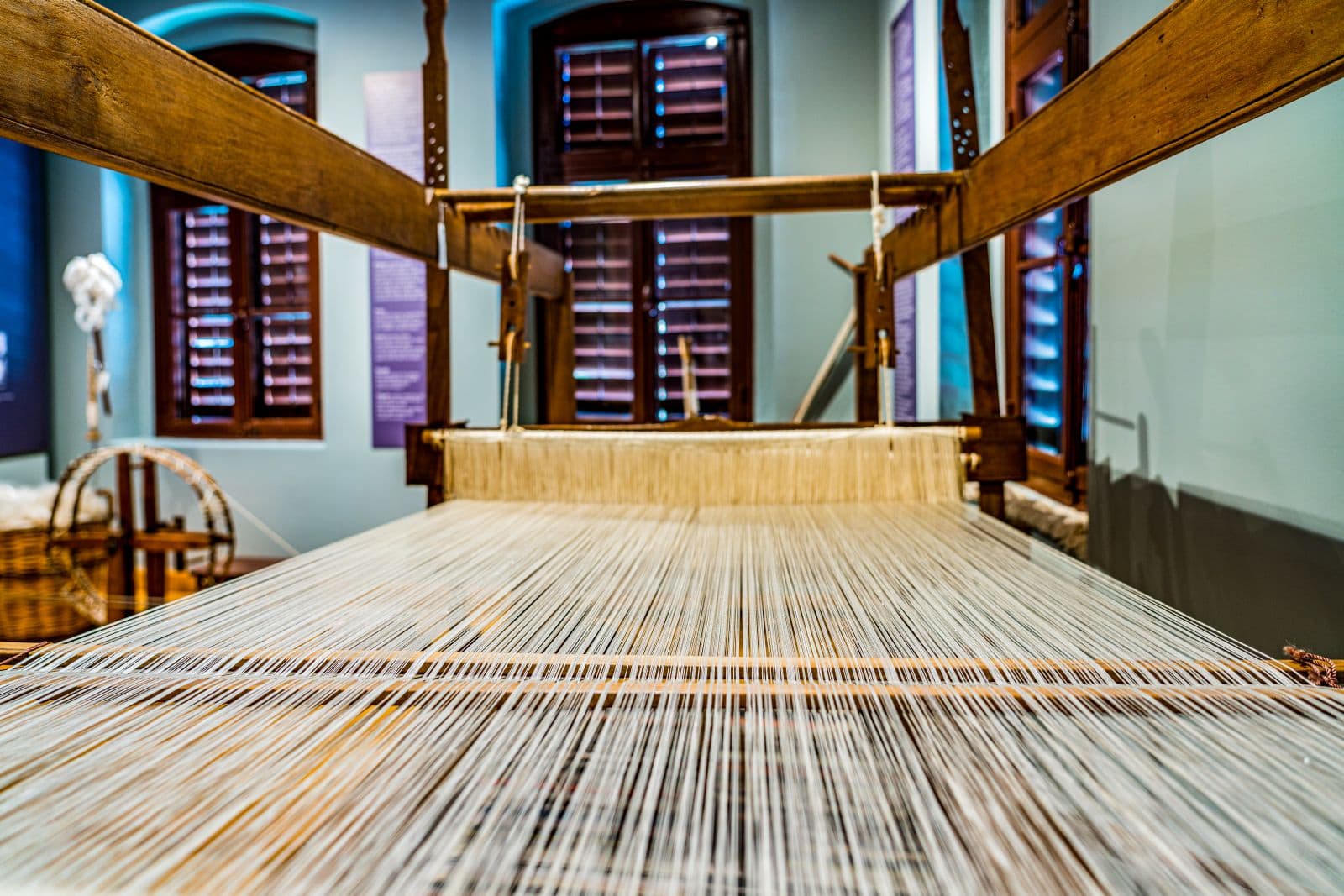
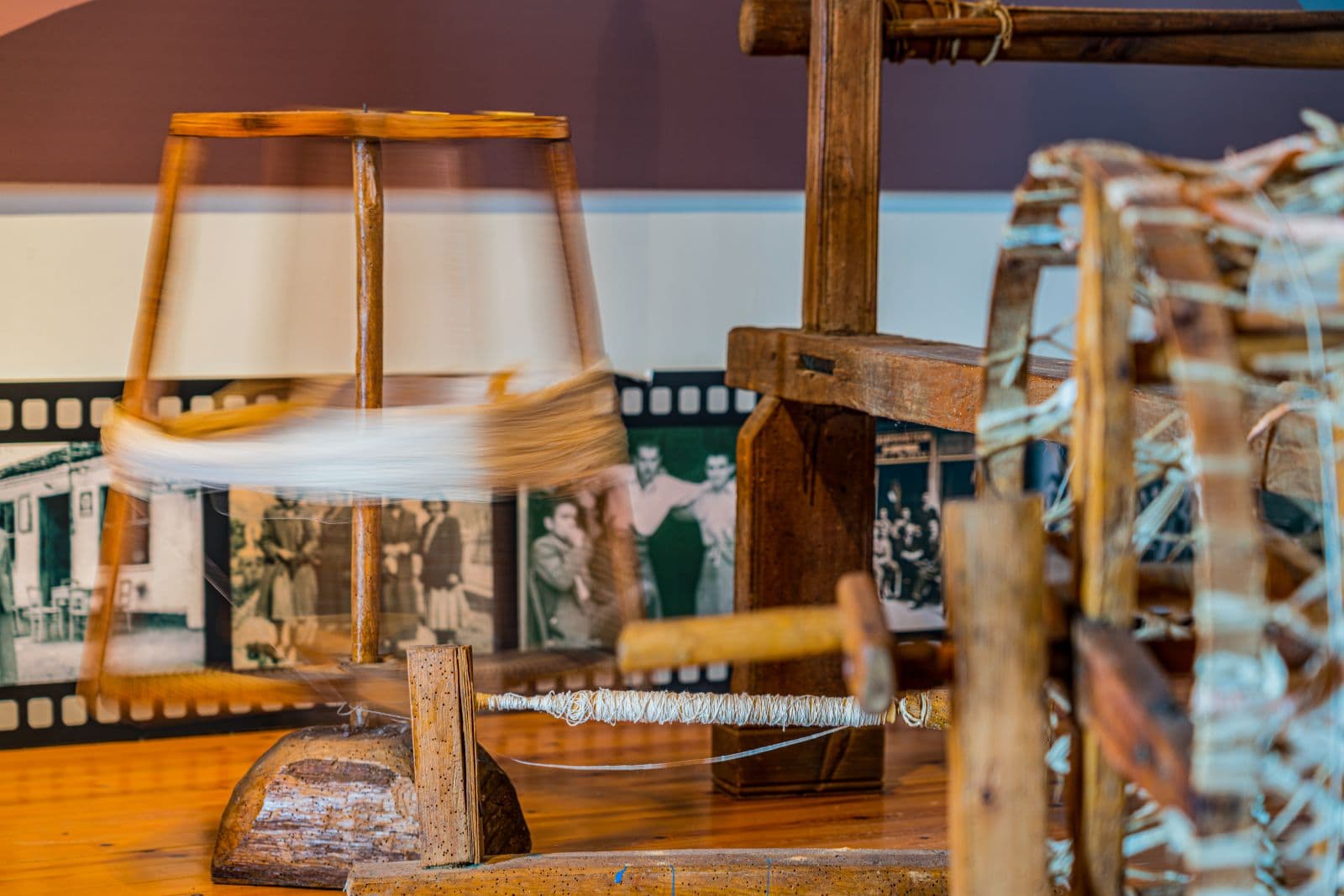
Sericulture, the cultivation of mulberries, the production and trade of silk, were the production sector that made Soufli famous and gave the town economic and social prosperity. Silk, as well as other agricultural occupations and small businesses, such as viniculture and cart construction, brought wealth to Soufli, which became an important business and trade centre during the 19th and early 20th centuries in the broader region of Evros River.
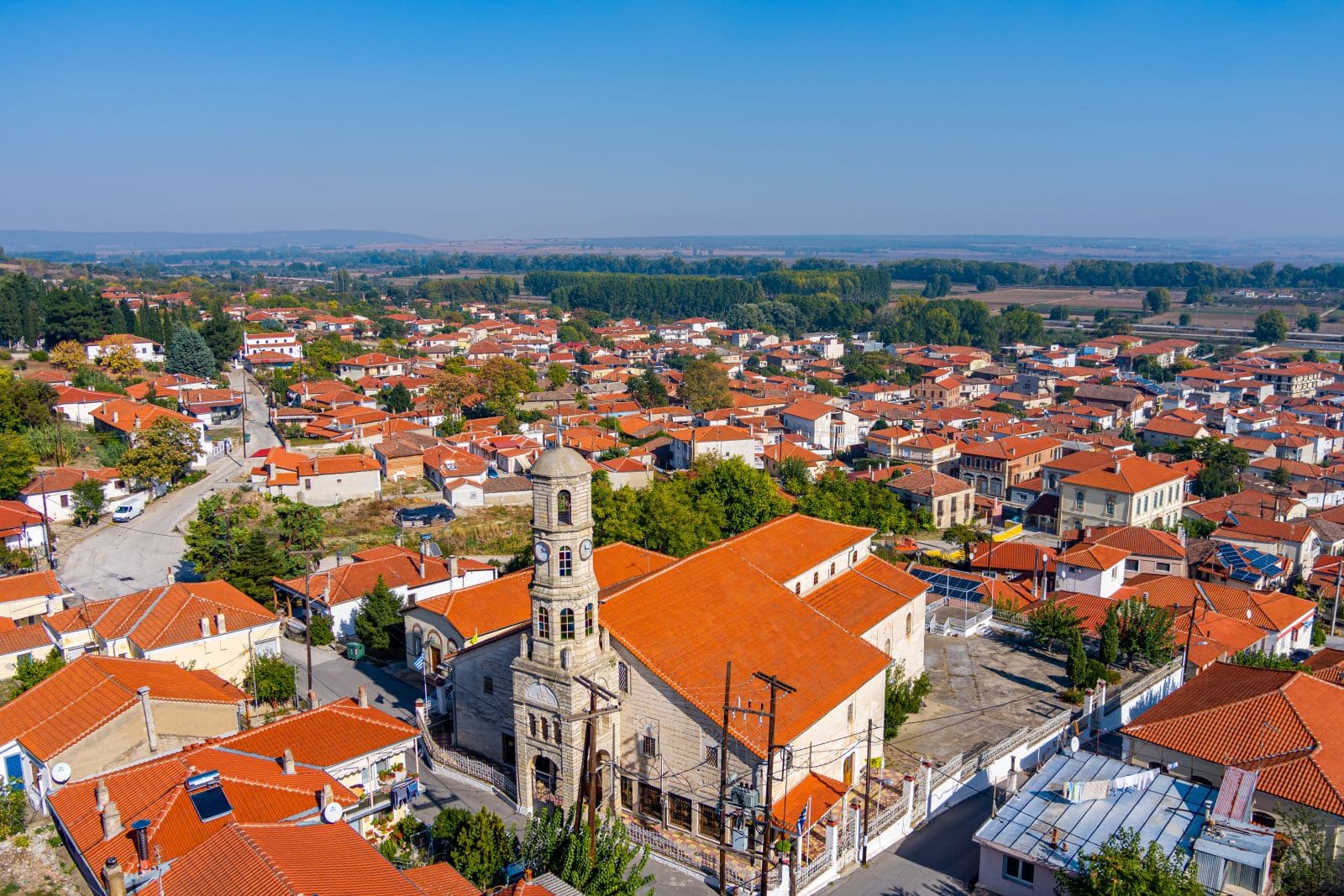
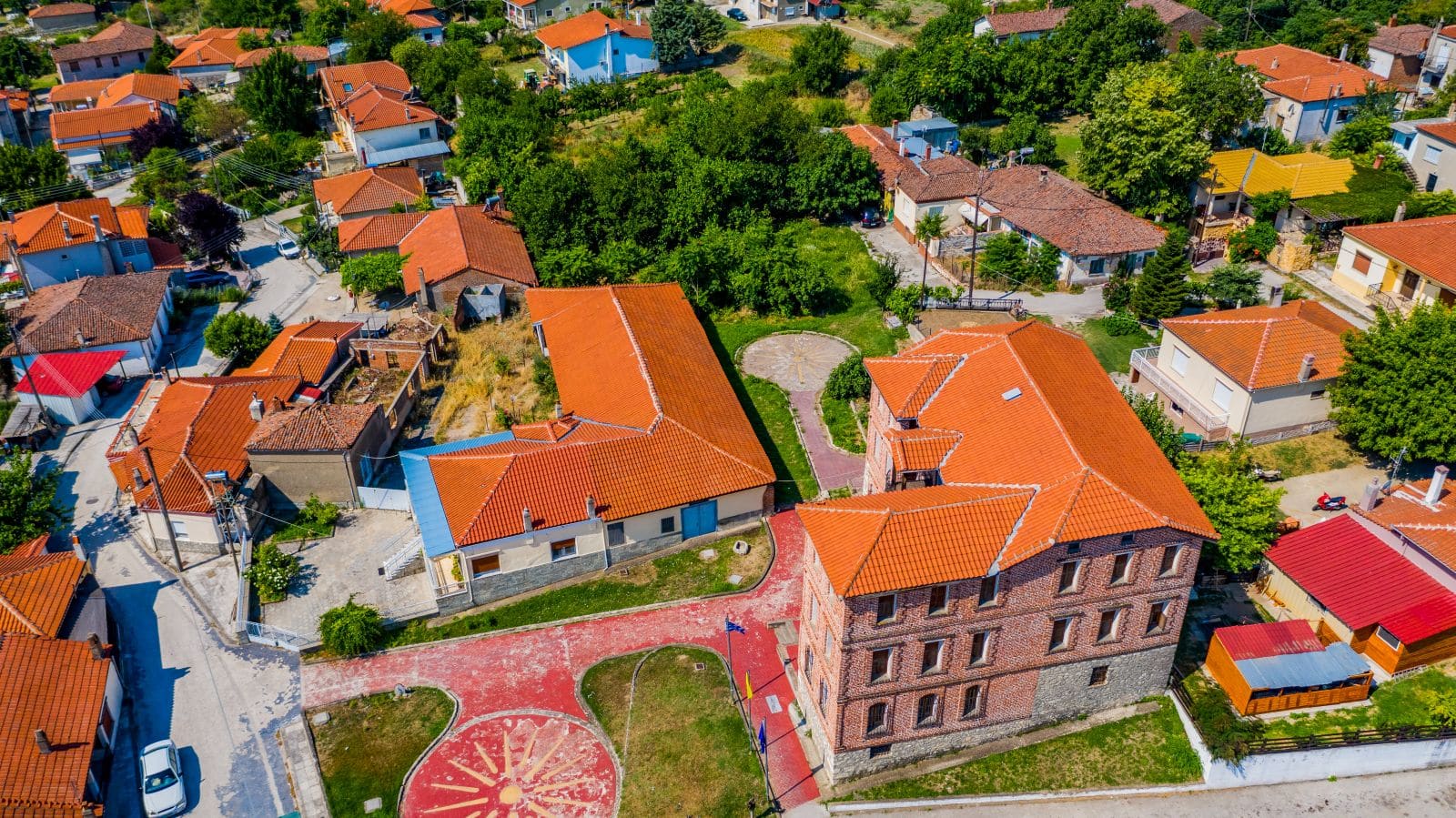
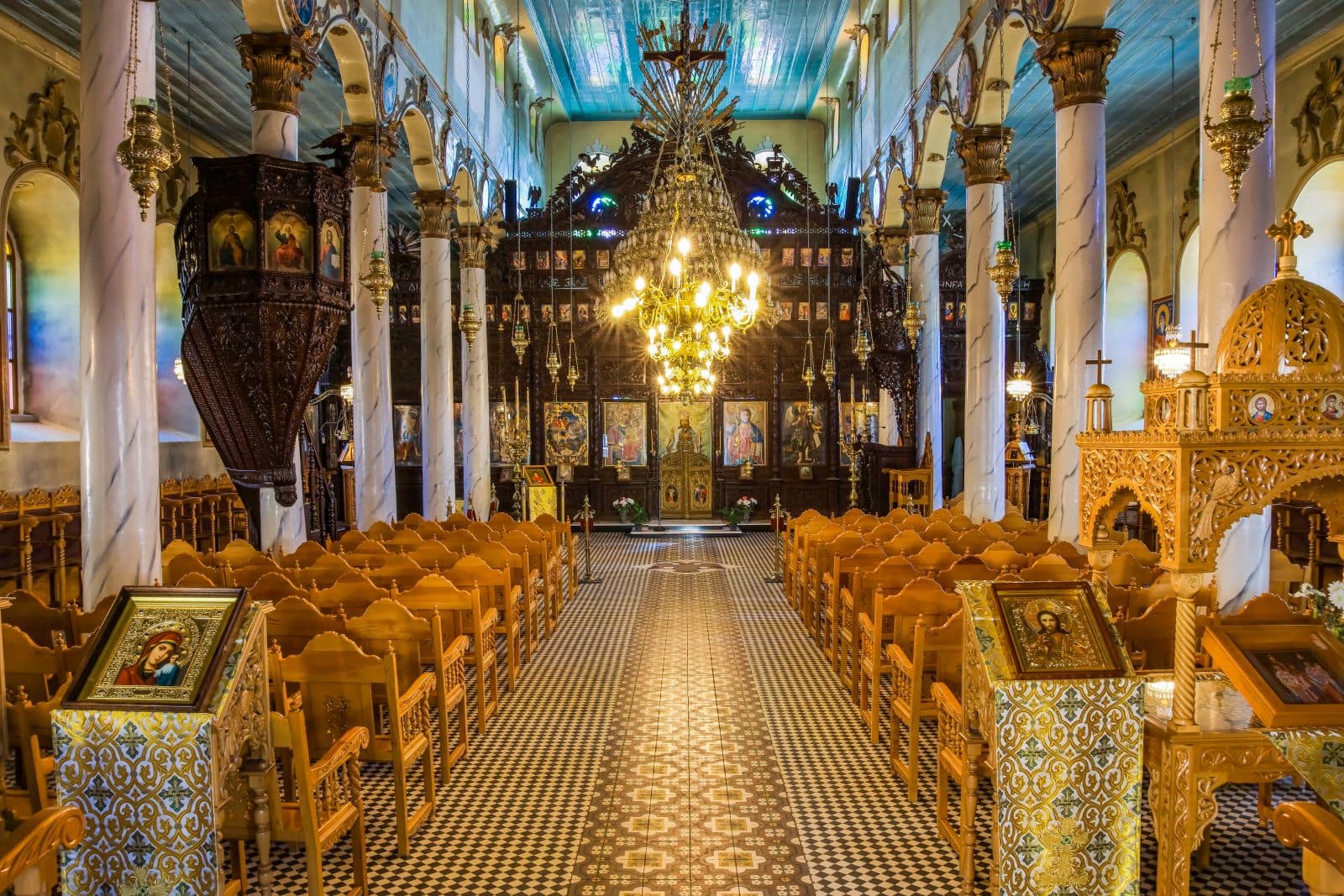
The economic growth and intellectual flourish of Soufli during this period, is depicted in its silk mill buildings, its mansions, its schools and churches. The division of Thrace in 1922, with the subsequent restriction of farm land and trade activities for the people of Soufli, resulted in the economic decline of the town and the emigration of a large number of its population. Nowadays, Soufli, on the grounds of its rich cultural tradition, takes again the broken thread of the past through already tried and new development initiatives.
Even today, Soufli remains the commercial center of a large agricultural area with many villages on either side of Evros river. The weekly flea-market of the town is deluged with people from the surrounding villages coming to do some house shopping-from food and vegetables to flowers, agricultural drugs and tools. Exhausted, by midday, they wait at the picturesque traditional coffee house of the bus service for the bus that will take them back home.
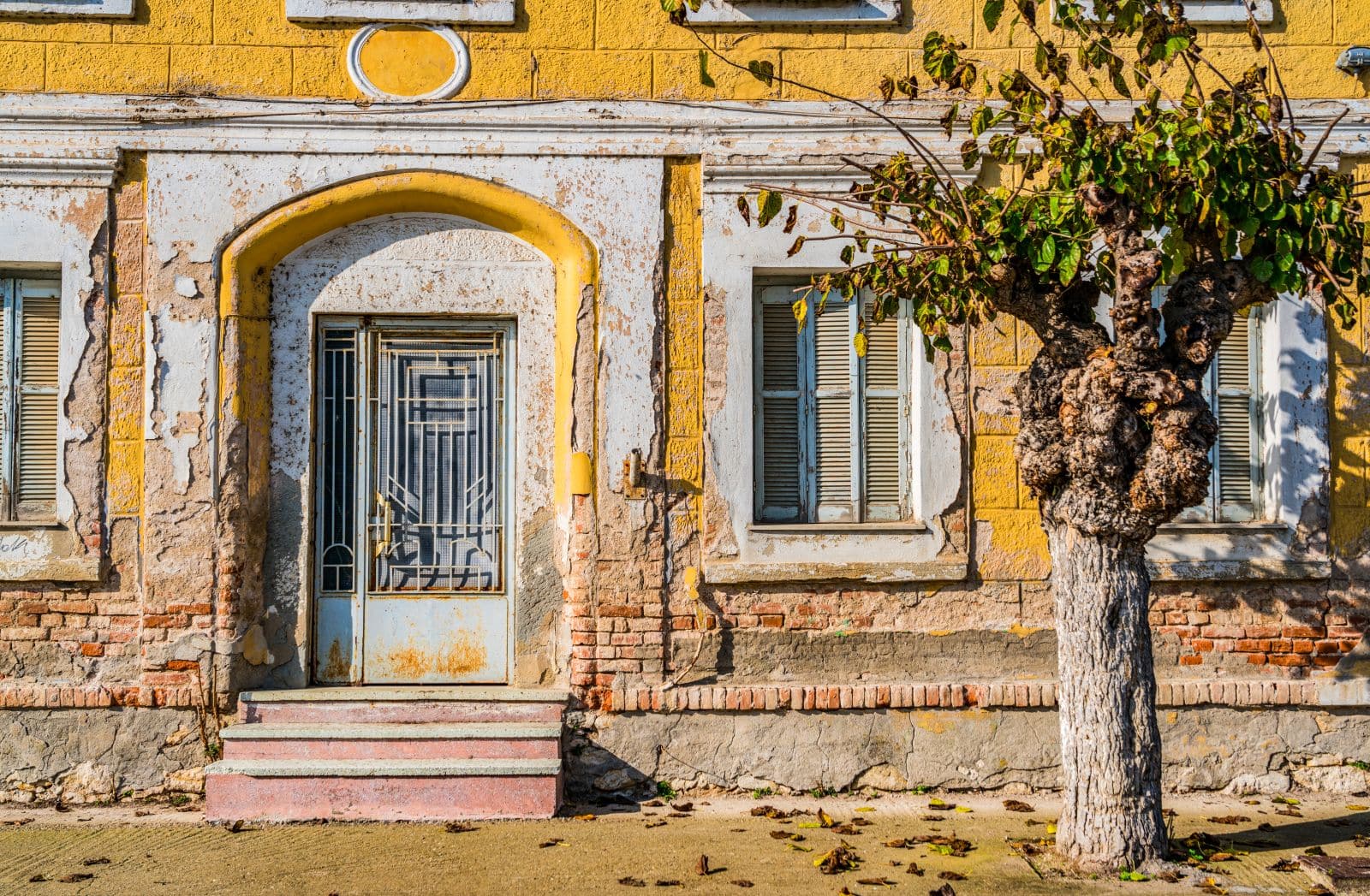
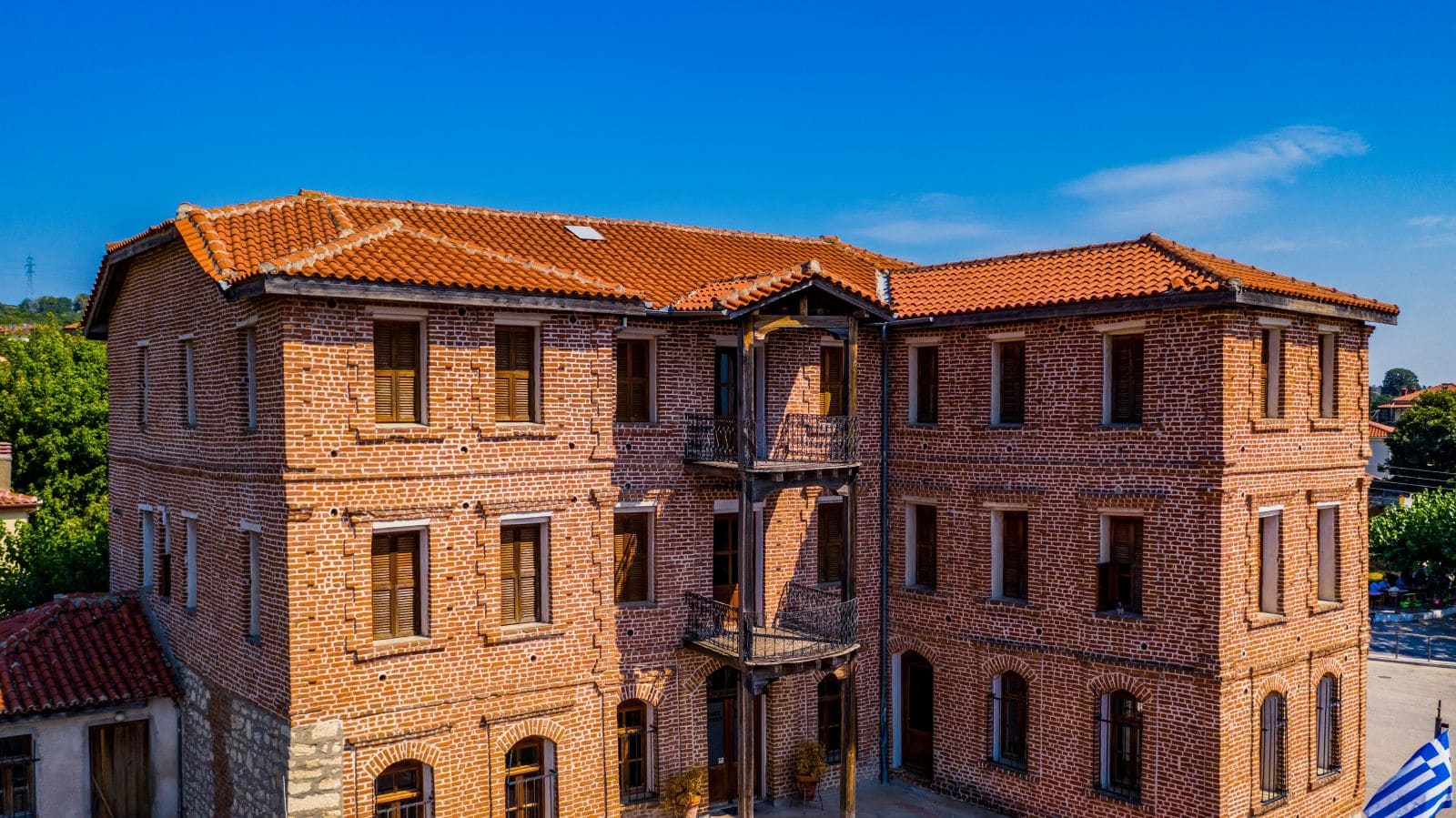
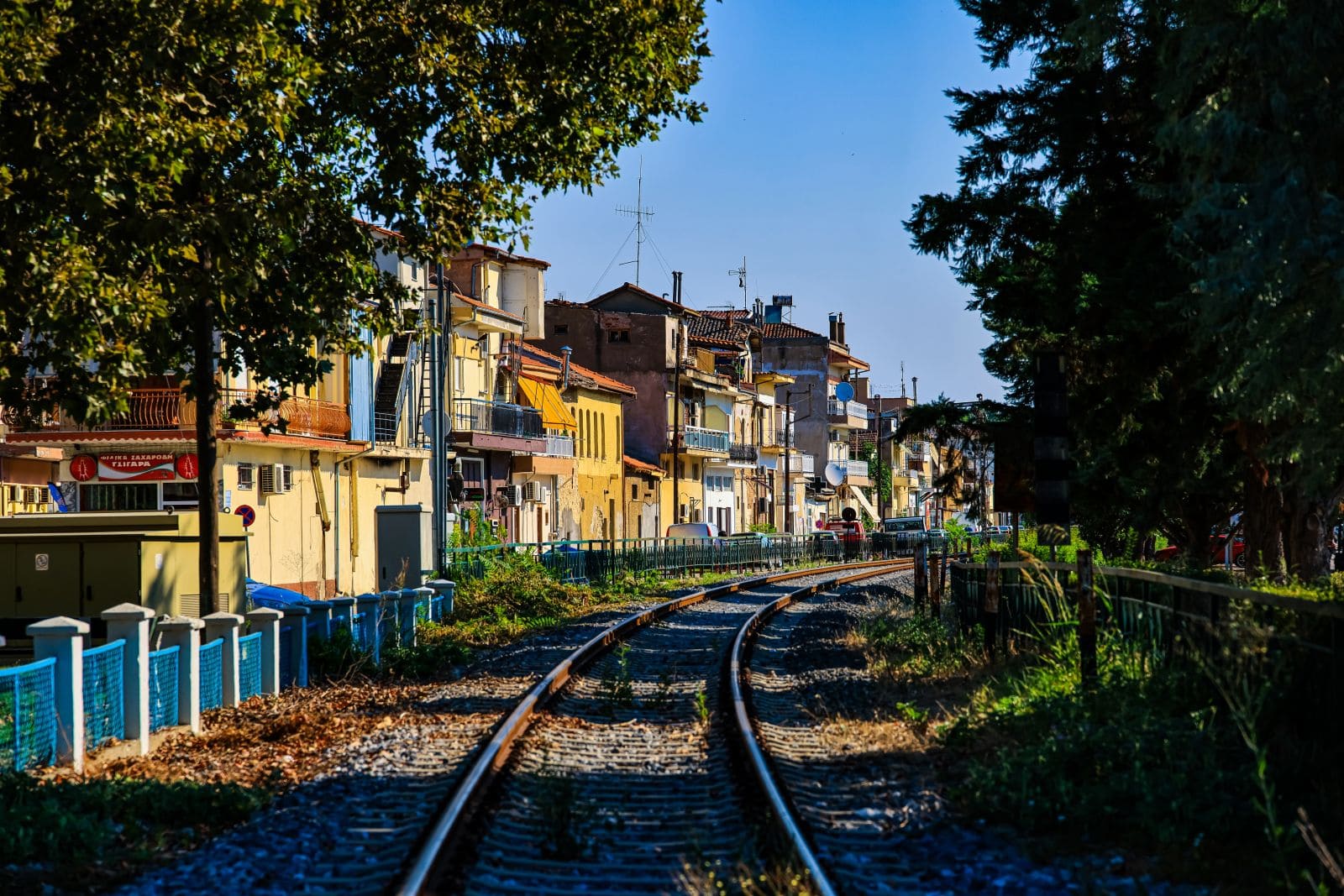
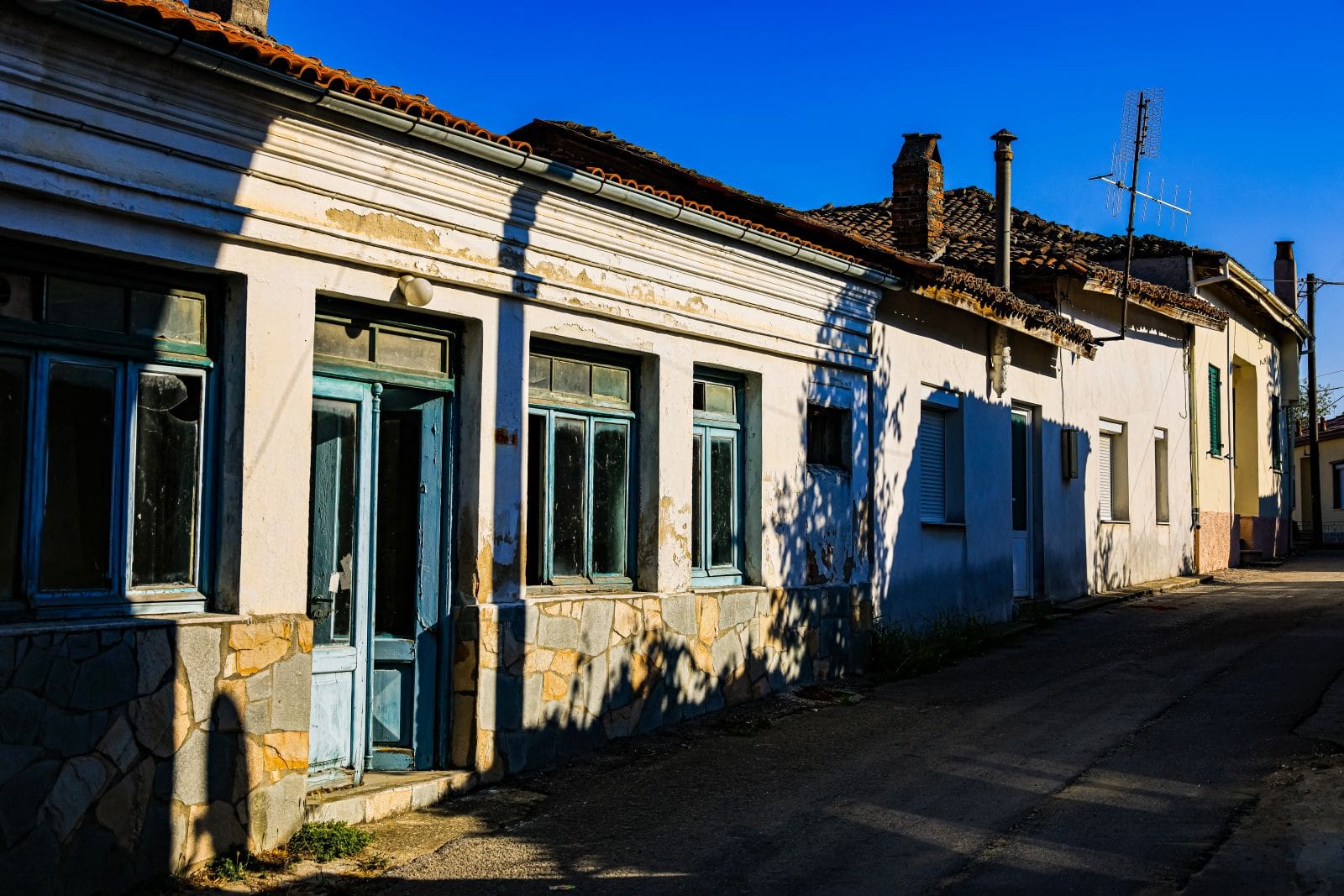
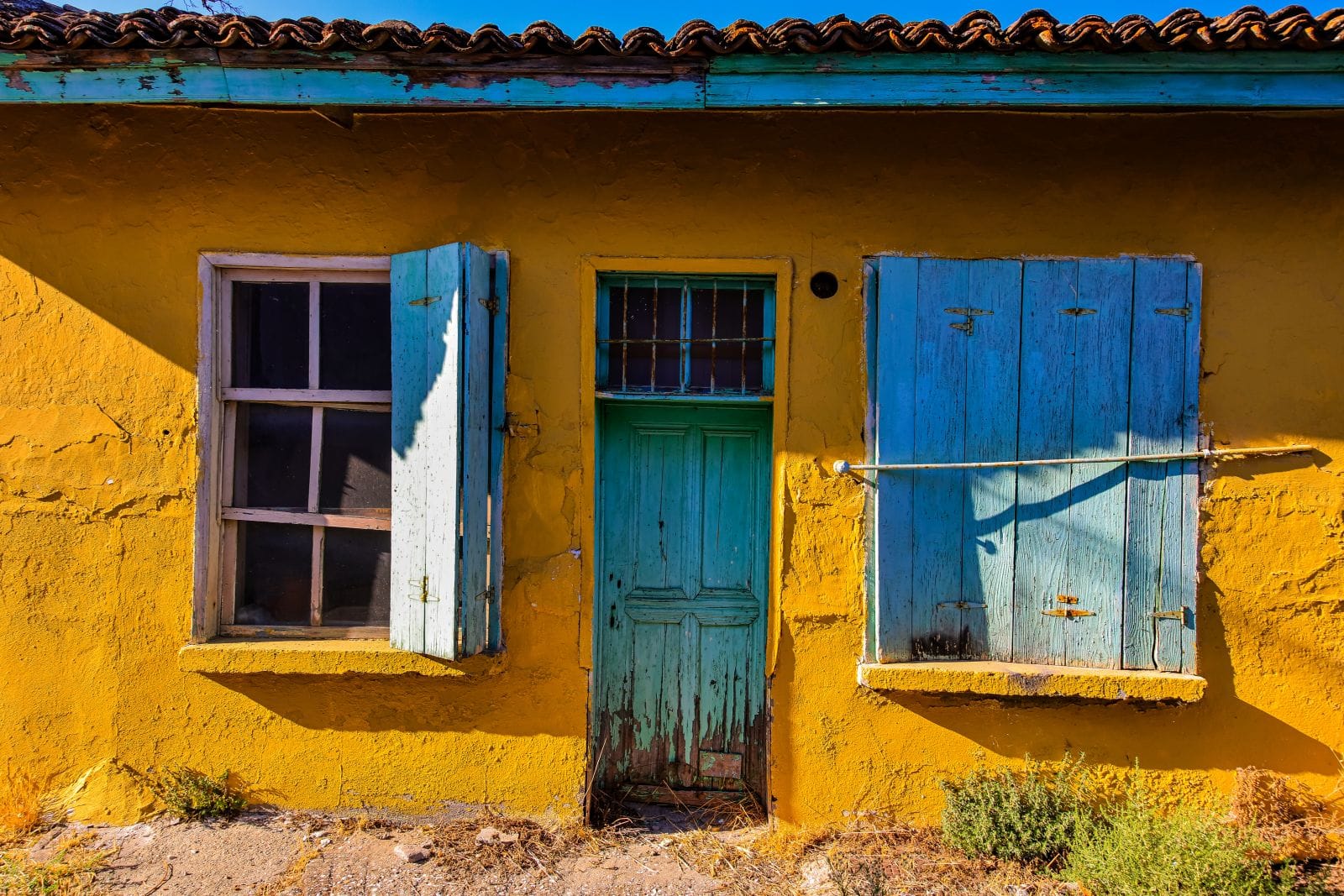
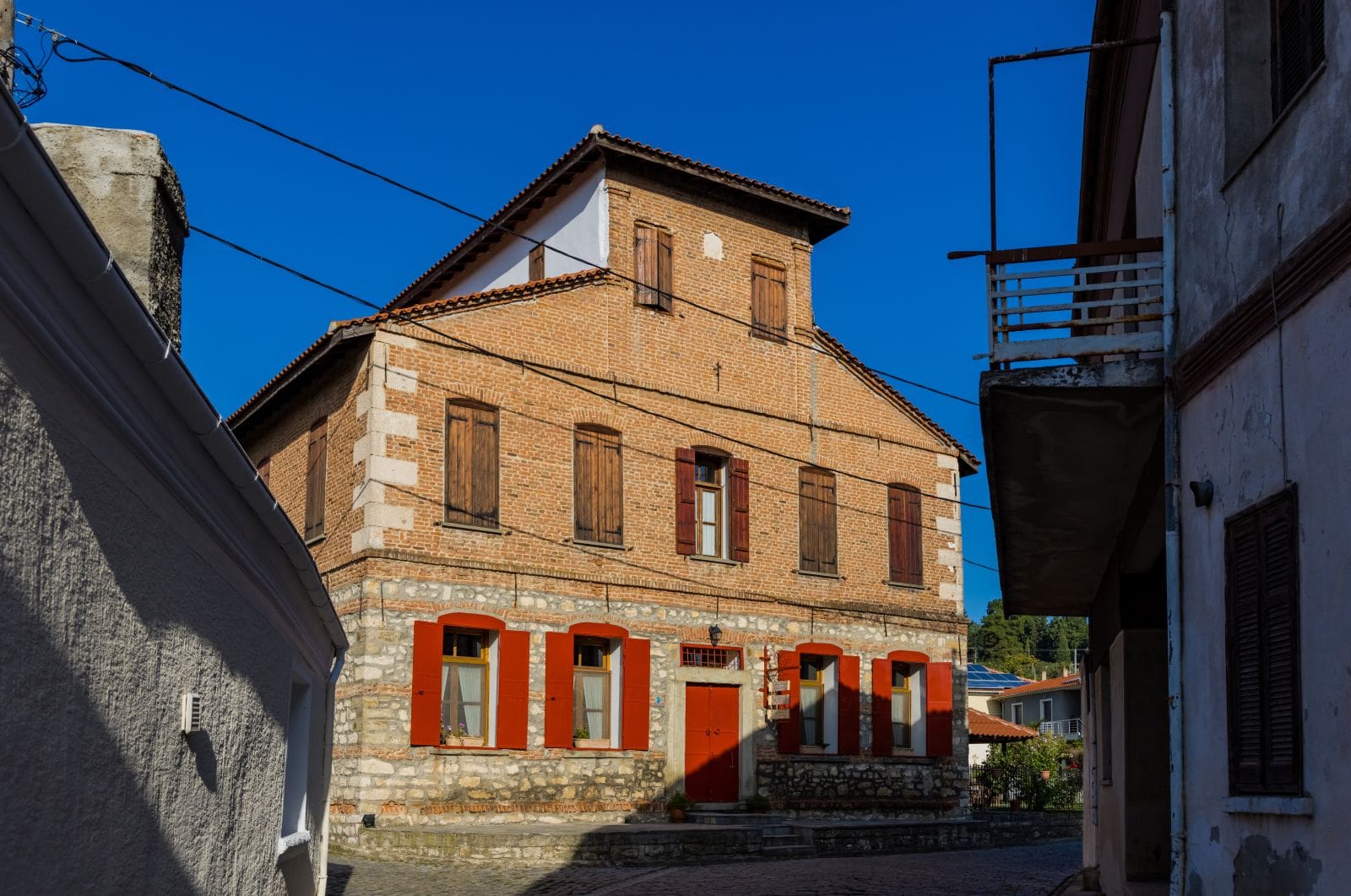
Several houses of traditional architectural style still survive in Soufli along with more recent ones with neoclassic or eclectic façades. Those, however, that stand out are the koukoulospita, or cocoon houses, with spacious rooms for breeding silkworms and for the tenants. There are quite a few mansions, such as that of K. Kourtidis that now houses the Silk Museum (right), of I. Brikas (right), as well as old schools, the Primary School (Municipality), built in 1908, and the Gymnasium (Cultural Centre), built in 1870-1880.
To this day Soufli remains the commercial centre of a large agricultural area comprising lots of villages on this side of Evros river. At the weekly town market a lot of villagers come to do their shopping, from food and vegetables to flowers, fertilisers, and tools. At noon they wait tiredly at the picturesque coffee-shop for the bus that will take them back to their villages.