



For a trip from Therma to Feggari (Moon) mountain, one certainly does not need a star-ship. The moon for this
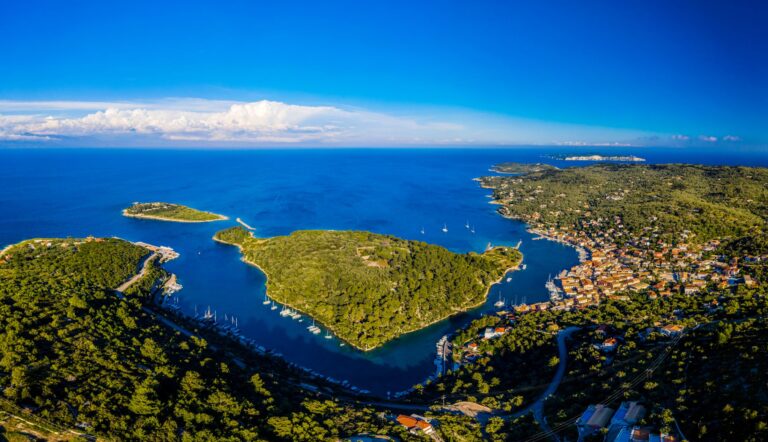
Gaios is the capital of Paxos and its main port. It’s a picturesque, natural harbor, “protected” by the nearby islands
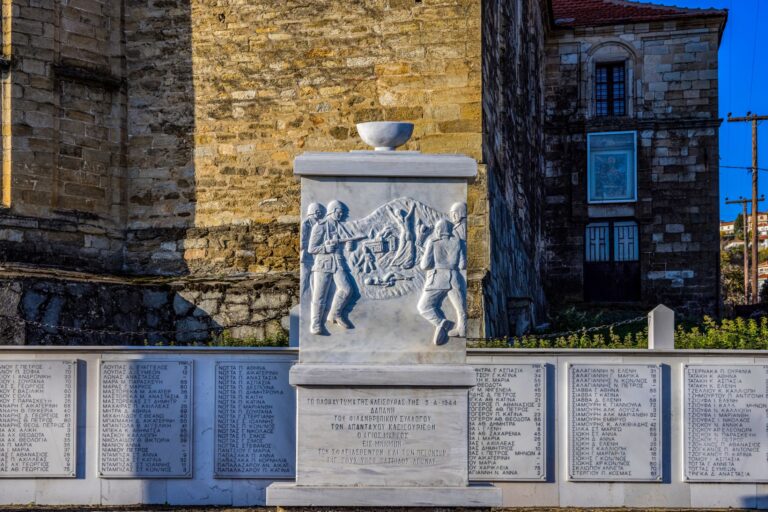
The Holocaust Monument, with the names of the inhabitants who were killed, moves every visitor. A walk through the uphill
The monastic complex of Askitario, one of the oldest Christian monuments on the island, is located near Nymphes and surrounded
Built on the mountainside, with many old houses and streets through which a car can hardly pass, the village of
Liston, the street where the nostalgic atmosphere of the historic centre meets the energy of the island, is strongly reminiscent
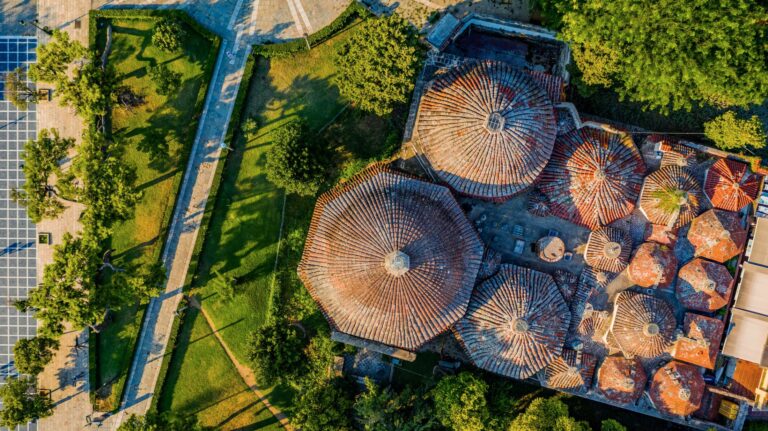
At the eastern bottom corner of the Ancient Agora Square (Egnatia and Aristotelous Streets) is the largest Ottoman bath in
Lake Thisavros is located in the prefecture of Drama, on the border with the prefecture of Xanthi, in the Rodopi
Pella was built in the Hippodameion system, with wide vertical and horizontal streets, creating building blocks. The private residences of
Valuable Byzantine and post-Byzantine works of art are kept in the Byzantine Museum of Veria. Portable icons, extracted murals, mosaic