



The town of Kolindros, renowned for its cherries, was one of the earliest Byzantine urban centers of the region with
The Cave of Aggitis Springs, also known as Maara, is located about 25 km northwest of Drama, near the settlement
The ruins of the Rogi castle, next to the Louros River and near Nea Kerasounta, belong to a Byzantine town
The lake Volvi is located east of Koronia lake and south of Via Egnatia, within the basin of Mygdonia,. With
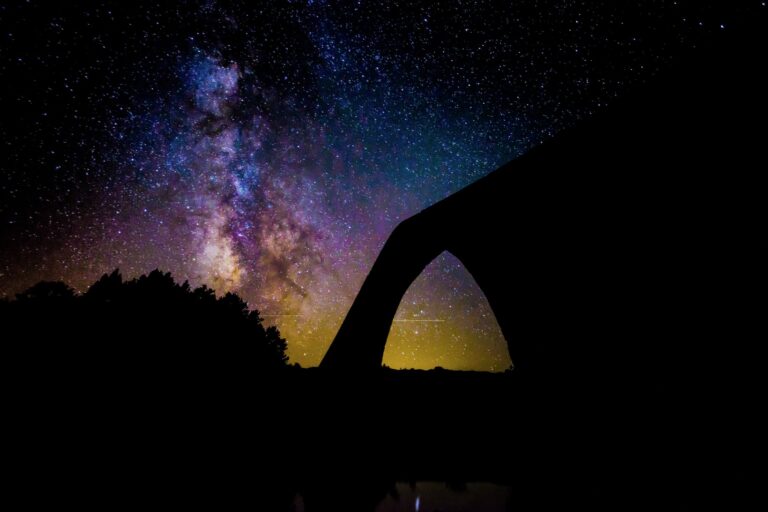
Aziz Aga bridge, constructed in 1727, is located near the village of Trikomo. The biggest Bridge in Macedonia, it is
The highest summit of Greece, Mytikas or Pantheon. Climbing up to the top of the gods mountain (2,917-m) is not
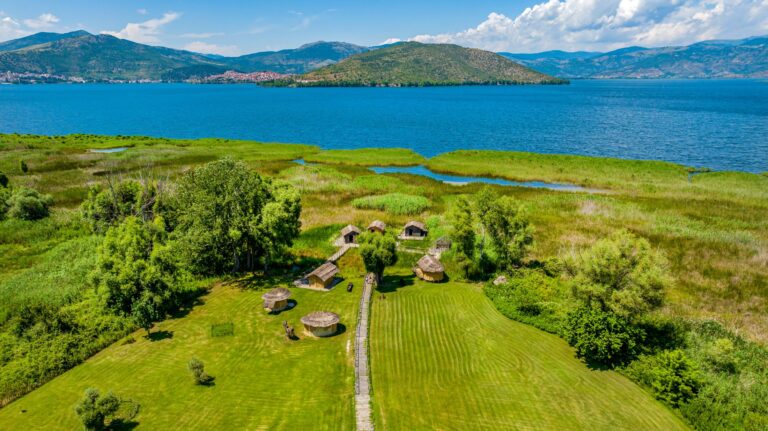
Reconstruction of the lacustrine settlement at Dispilio, dating back to the Neolithic Age (6000-3000 BC). Excavation revealed how prehistoric man
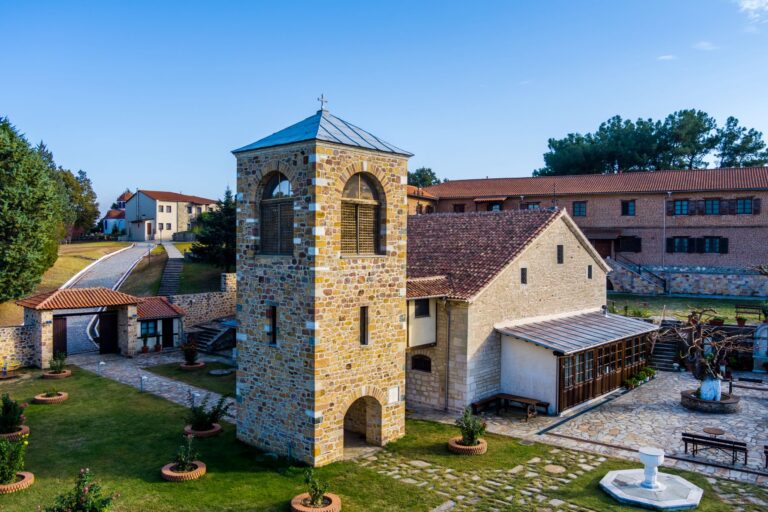
South of Soufli village is the Kornofolia Convent, founded in the 17th century and dedicated to the Assumption of the
The Aoos Springs Lake, 20 kilometres north-west of Metsovo, was created in the 1980s when dams were built to produce
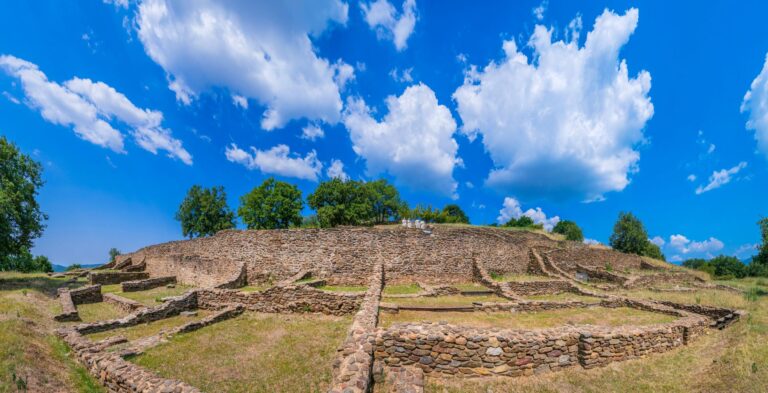
In the mountainous area of Kroussia there is the settlement of Palatiano with important findings and the archaeological site of