



Visitors to the Olympus Riviera and those who sail the seas of Pieria quite often see schools of dolphins following
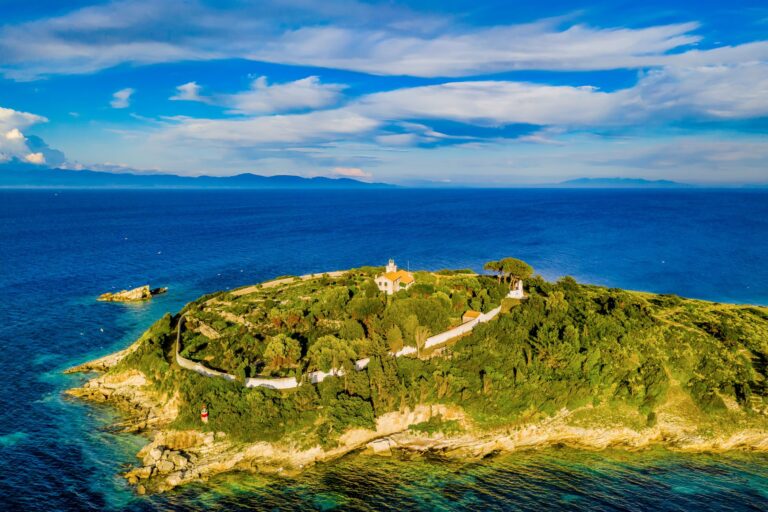
The monastery is located on the islet of Panagia, at the entrance of the port of Gaios. Vellianites came to
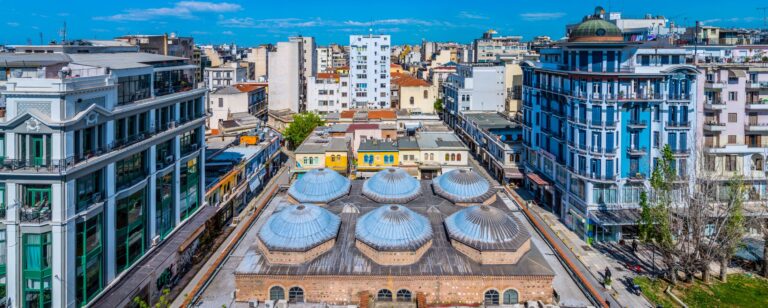
Bezesteni (Venizelos and Solomou Streets), the enclosed market for luxury textiles and precious objects, was probably built in 1455-1459 by
Ten bridges, half of them for pedestrians and cyclists, span the banks of the Lithaios within the city. The oldest
Modern Igoumenitsa has remained a quiet and appealing city despite its very active port. It is framed by unique landscapes
The Byzantine Castle of Sidirokastro, also known as Fortress Issari, is located on a hill above the town of Sidirokastro,
The sea currents in Possidi cape created this characteristic y cape, which owes its name to the ancient temple of
Livithra was as ancient city situated at the foot of Mt. Olympus. The city was completely destroyed due to an
In present-day Avdira, there exist two museums, the Archaeological and the Folk Museum. The later is housed in an old
Lake Pamvotida, better known as Lake Ioannina, as the capital of Epirus is reflected in its waters, is famous for