


The Holy monastery of Timios Prodromos (Venerable Forerunner) of Naoussa is situated into a picturesque and verdurous region amongst Naoussa
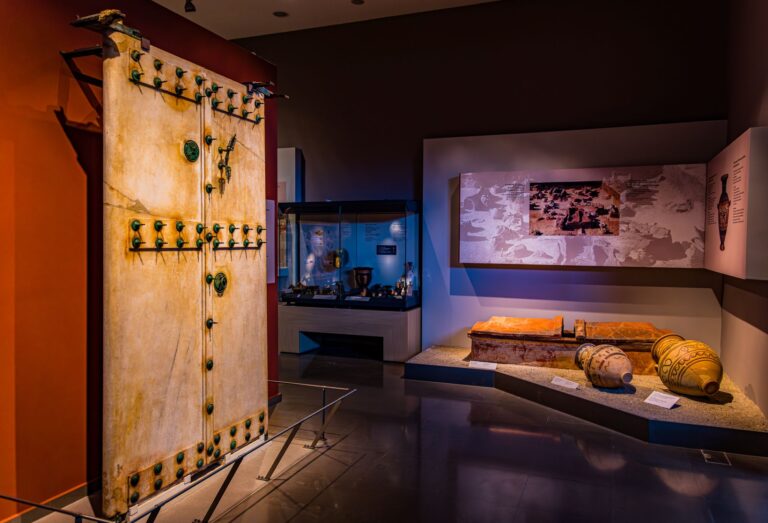
The Museum was built in 1962 to designs by the architect Socrates Karantinos; a new wing was added to extend
At the heart of the archaeological site of Palaiopolis in Samothrace, lies the Sanctuary of the Great Gods with its
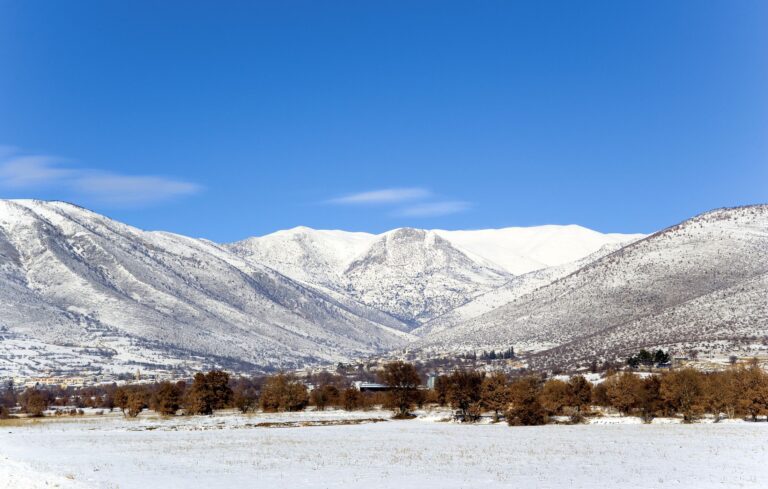
Eratyra, an important village in the region, must have been inhabited since prehistoric times. Its name was Selitsa, and was
Panagia Parigoritissa is the best-known church in Arta and one of the most important examples of Byzantine art. It was
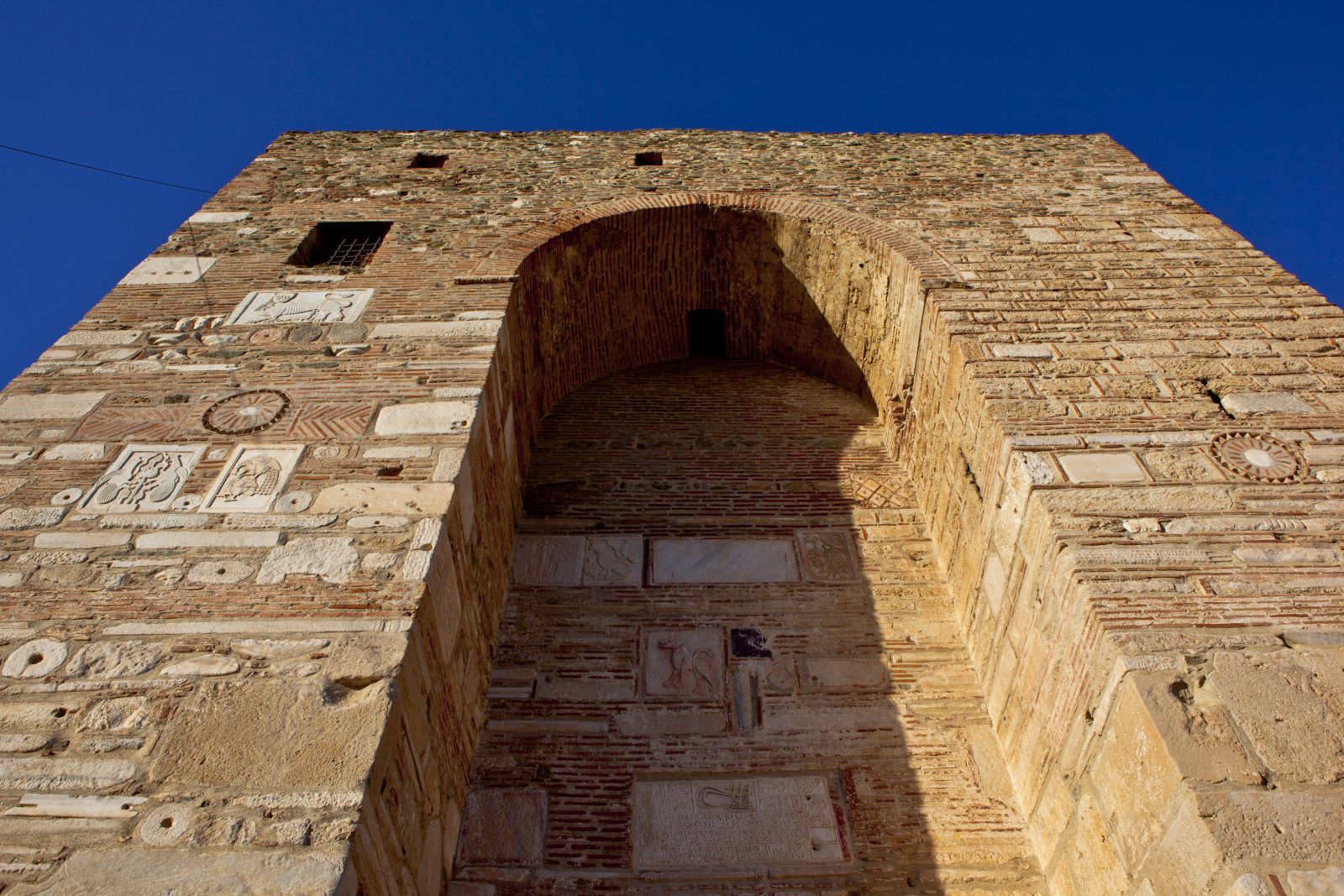
The hill at the edge of the beach is dominated by the impressive Byzantine tower of Agios Pavlos built in
Lake Thisavros is located in the prefecture of Drama, on the border with the prefecture of Xanthi, in the Rodopi
One of the grandest and most diverse parks in Greece is the Vikos-Aoos National Park. Vikos, the deepest European gorge
The archaeological site of Doliani, near Kalamas River and the village of Geroplatanos, is associated with ancient Fanoti, founded in