



Elassona retained its Homeric name, Olosson, almost intact. Homer refers to it as “White Olosson”, the town that took part
The capital of Samothrace, Chora, has been declared a traditional settlement. Chora, still resisting the abandonment of old houses and
In Skra, the Museum of the First World War- Battle of Skra has been operating since May 2002 in a
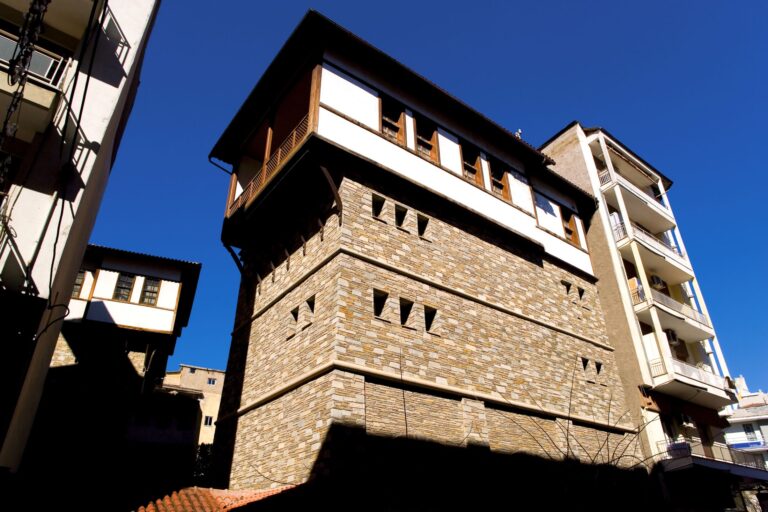
The Historical-Folklore Museum and Museum of Natural History was founded by the prefecture’s Association of Letters and Arts and is
The Church of Agia Sophia in Drama is one of the oldest surviving buildings in the city. Its construction is
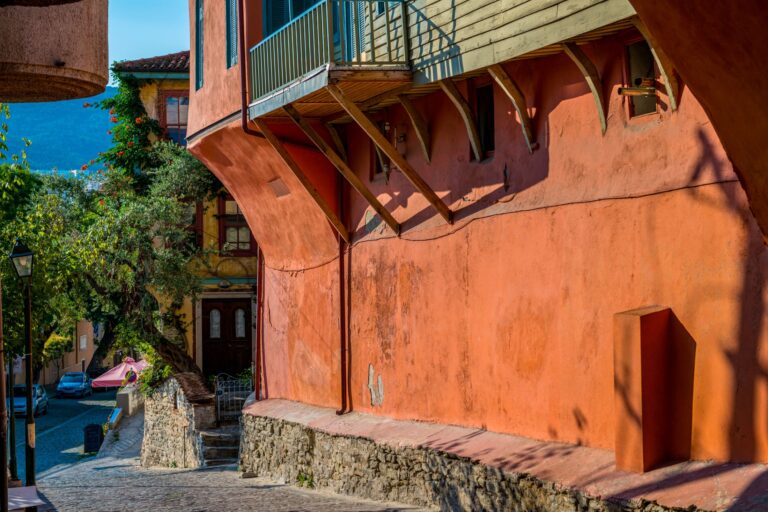
The peninsula of Panagia, east of the port, is the historical castle town of Kavala from antiquity up to the
Xanthi, the capital of Eastern Macedonia’s & Thrace’s homonymous prefecture, is a spectacular, multicultural city with a long standing history,
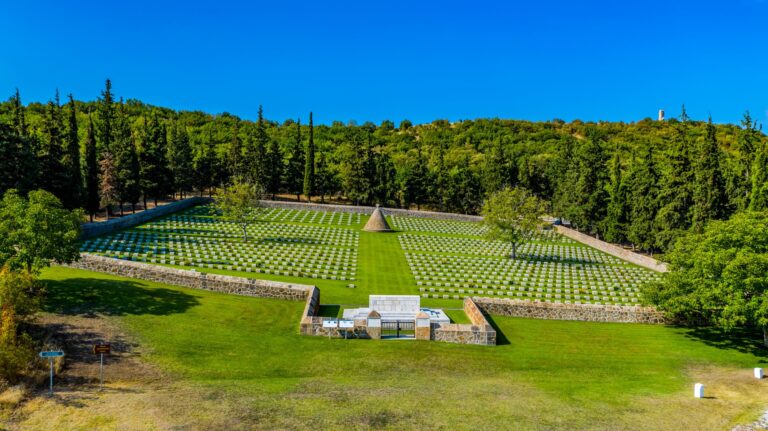
The British Military Cemetery of Doirani is located near Lake Doirani, and is an important World War I monument. There
The Monastery of Xiropotamou is built in a small plain, in the middle of the southwestern side of Athos, in
Perched on a hill above the famous beach, the Monastery of Paleokastritsa is one of the most popular attractions outside