


Gitana or Gitani was the capital of ancient Thesprotia. It was founded in the 4th century BC and destroyed by
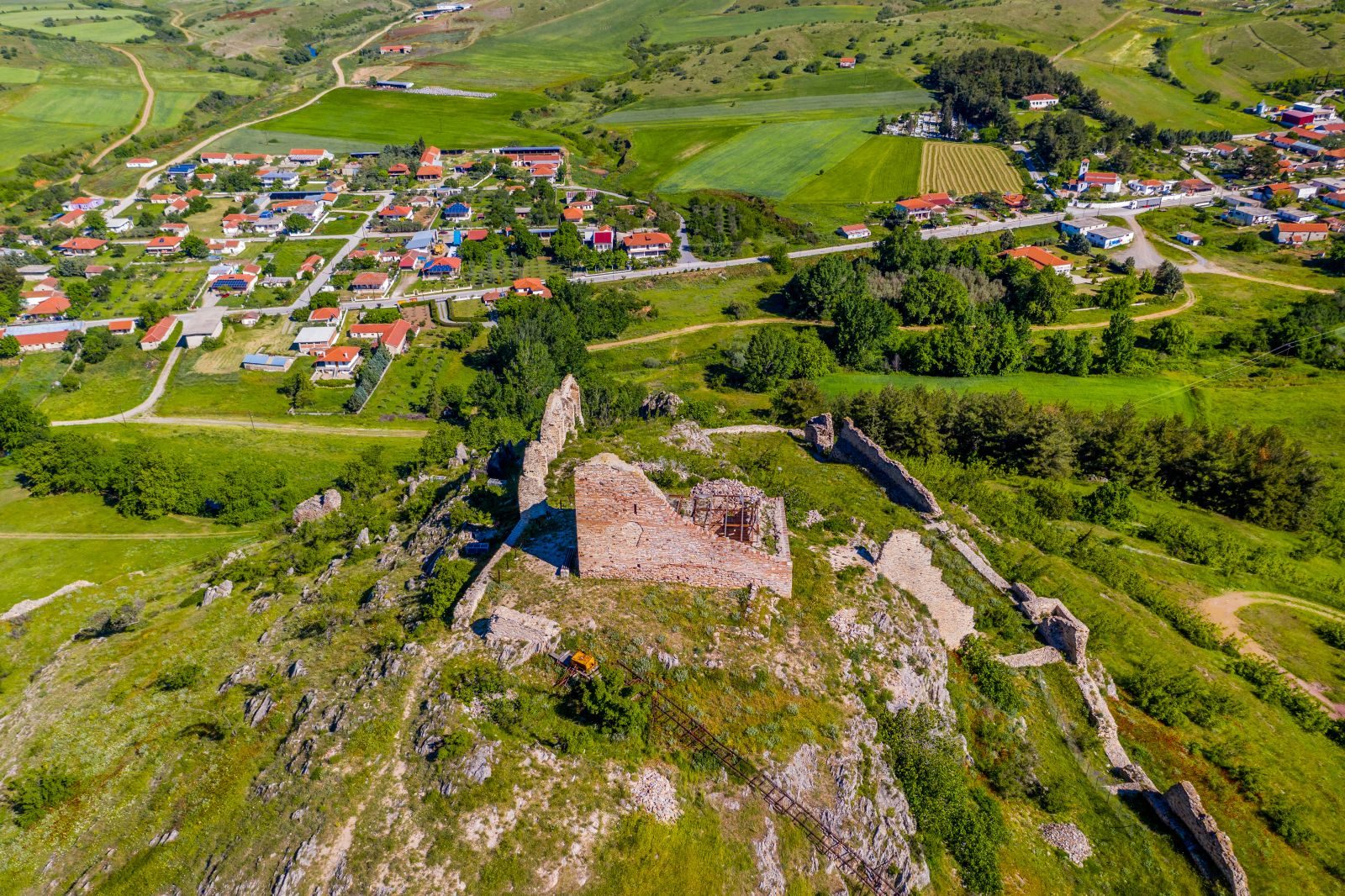
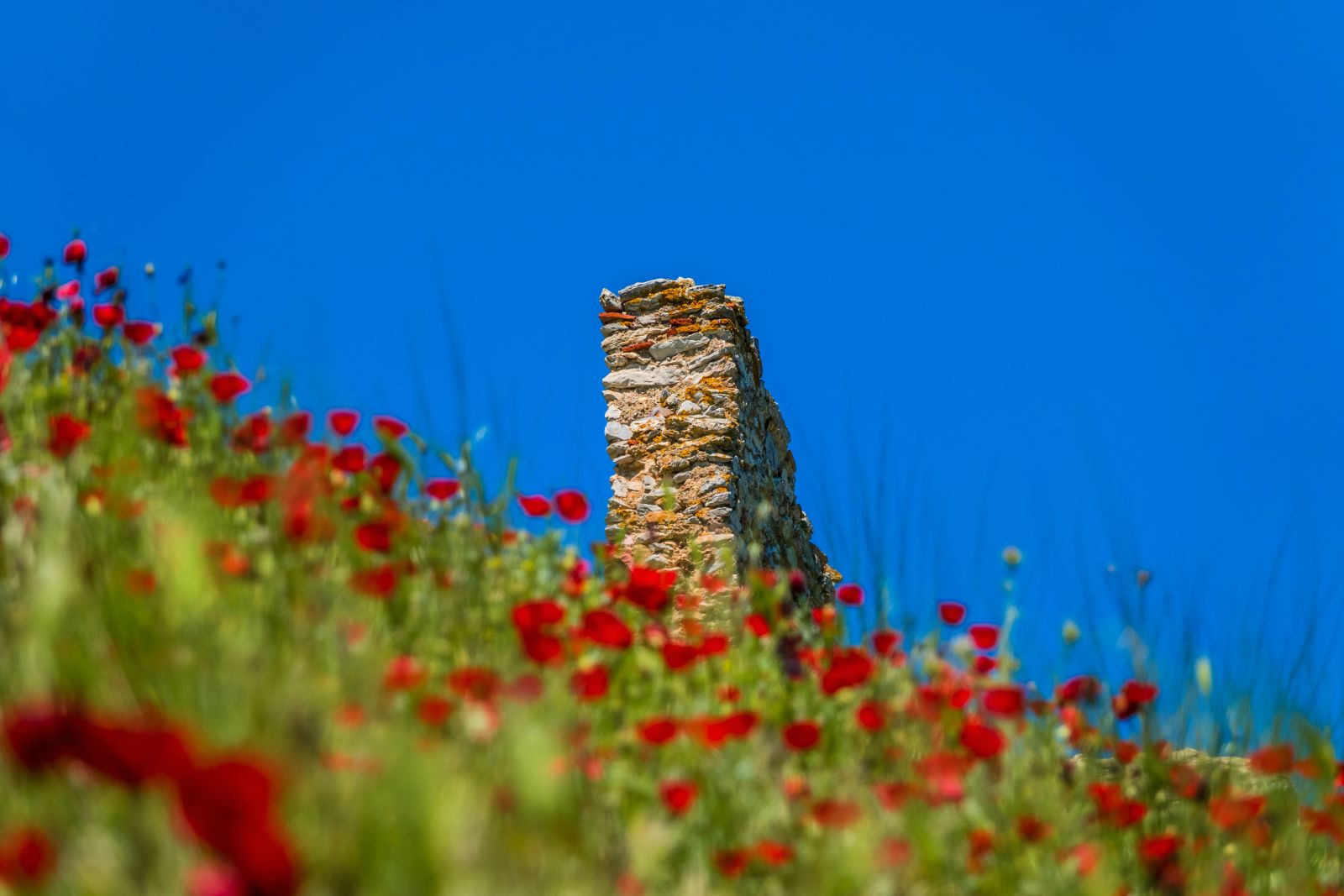
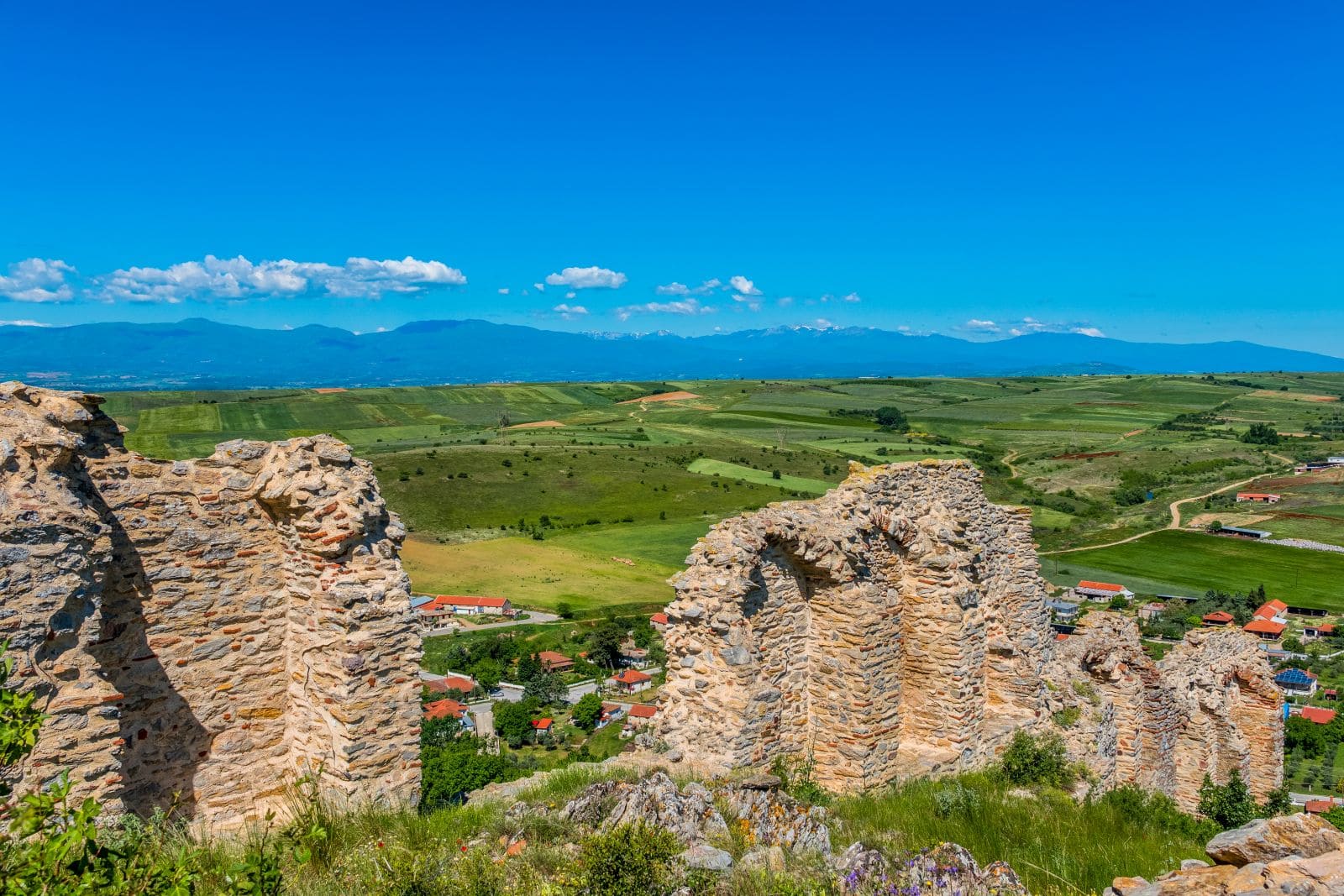
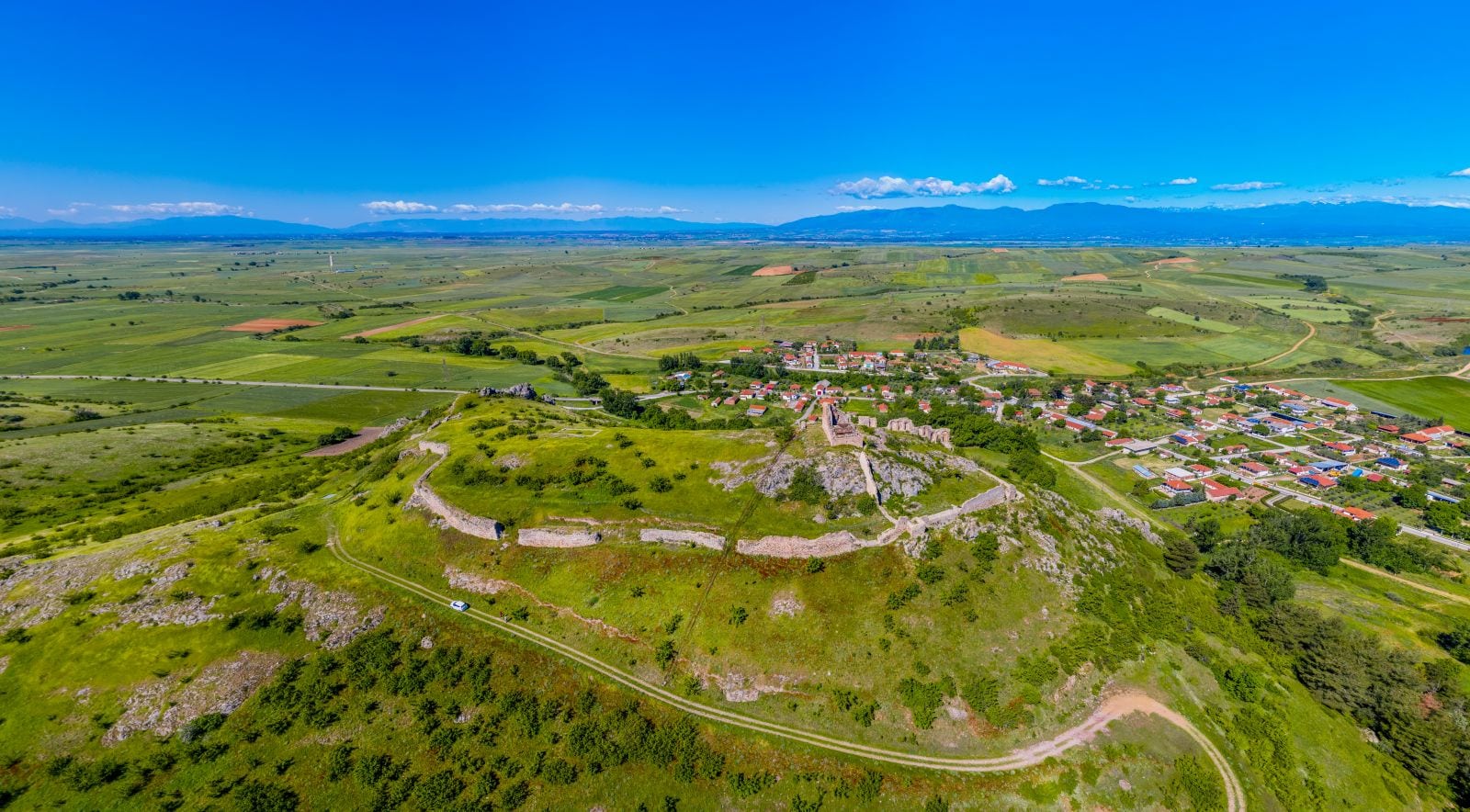
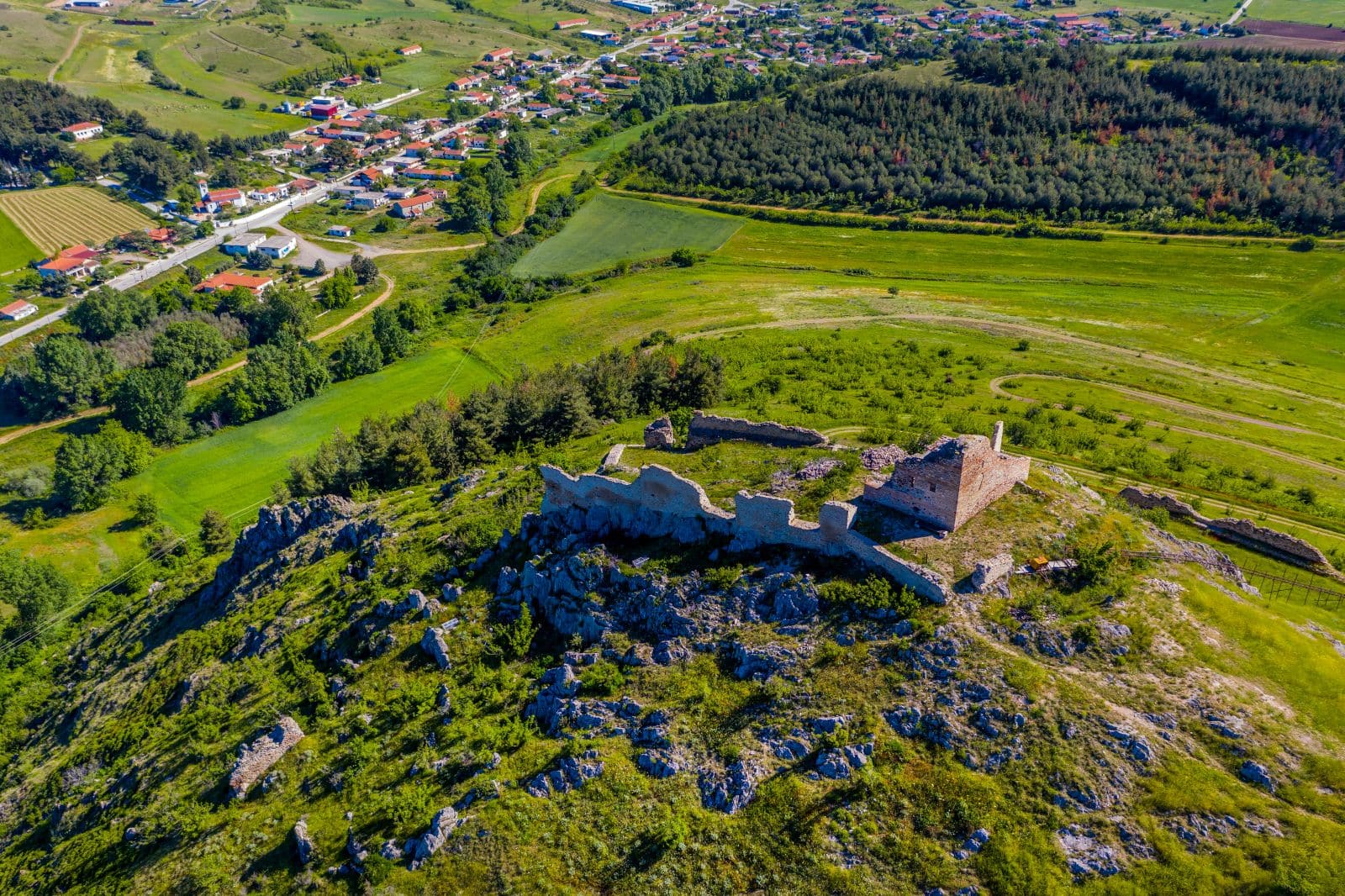
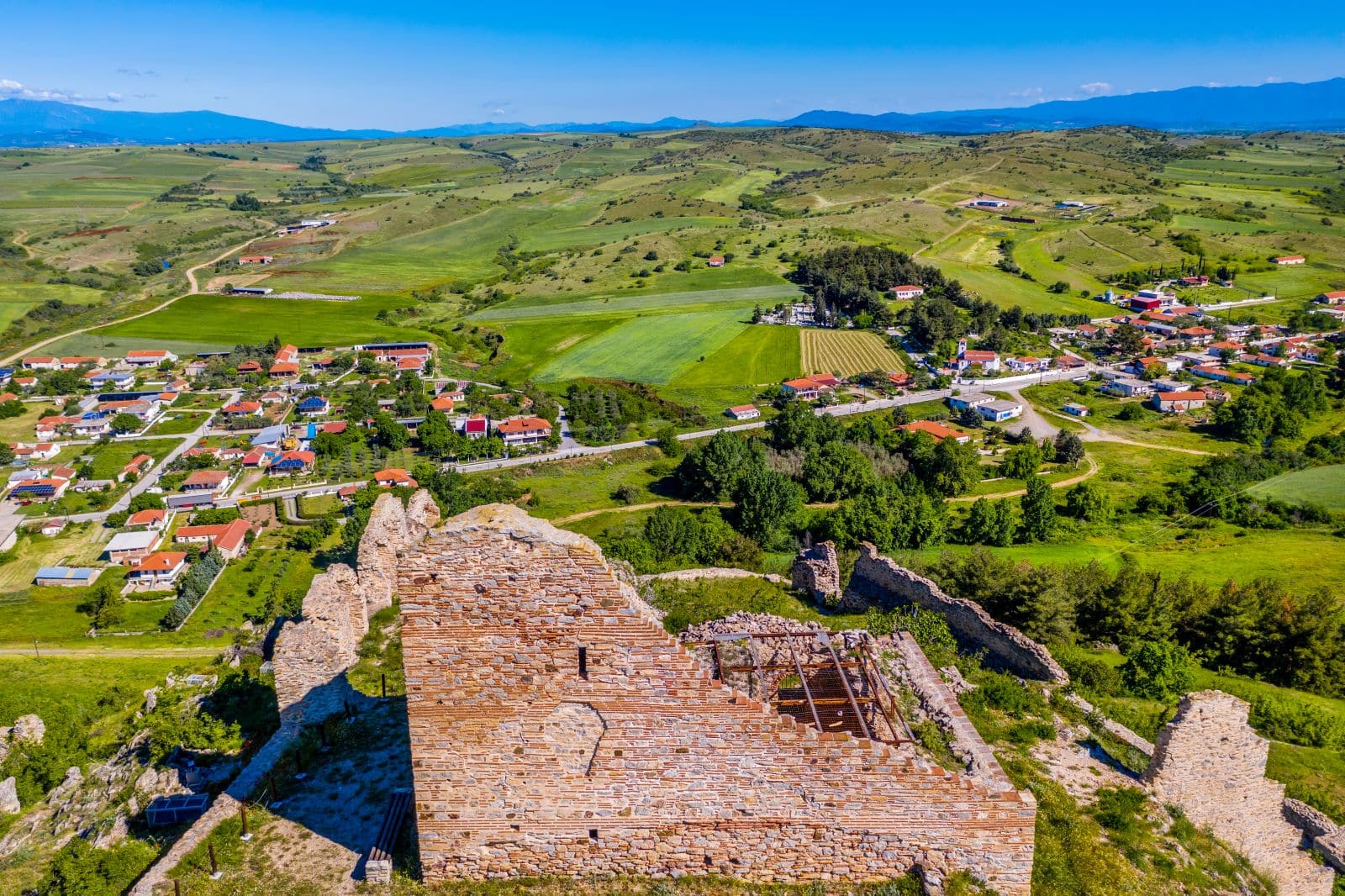
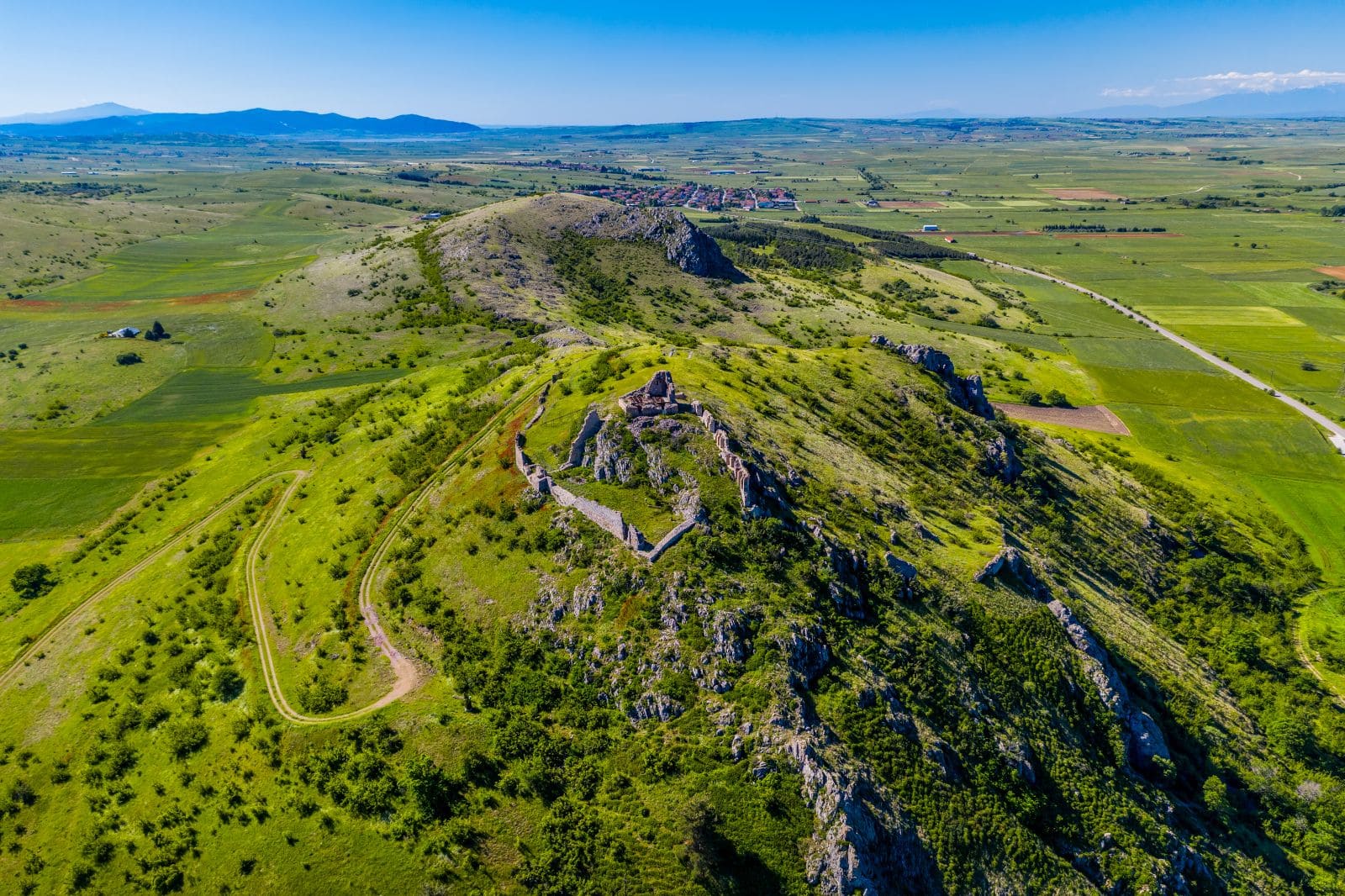
The Byzantine Castle of Sidirokastro, also known as Fortress Issari, is located on a hill above the town of Sidirokastro,
The refuge Α΄ of Spilios Agapitos named after its designer, an engineer worshiper of mount Olympus, belongs to the Greek
The katholikon of the monastery of Agia Triada was built in 1475/76, but the monastery existed as early as 1362.
The city’s stone clock of Edessa, which was built around 1900 is a characteristic landmark of the city’s architectural heritage.
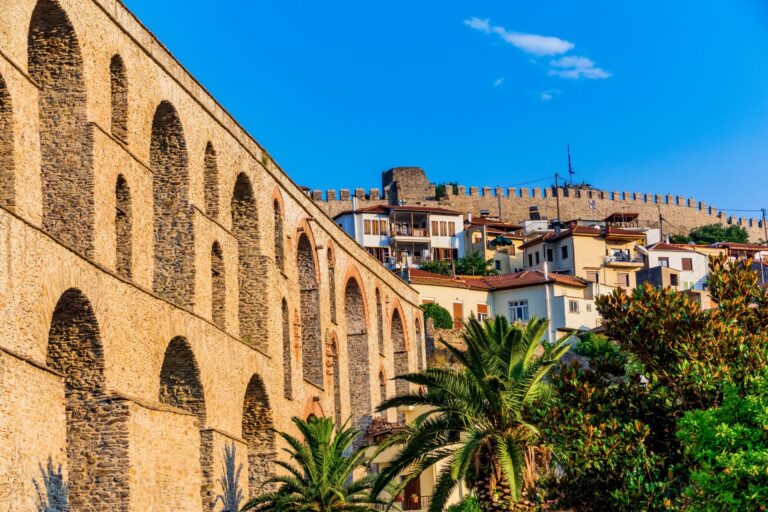
The “Arches” (Kamares) are the “trademark” and the best known landmark and most impressive monument of Kavala. It is the
The Monastery of Dionysiou (14th century) stands on a bluff cliff in a deep wooded ravine at the western coast
The oldest and largest is the monastery of Great Meteor or Metamorphosis, founded shortly after the middle of the 14th
Veria, the capital of Imathia, is found built in an altitude of 170 meters. Strabo (65 BC – 25 AC)
To better understand Corfu and its residents, you should walk its old city. Built between two fortresses, it embraces the